
Hiking with Food Allergies: Smart Tips to Stay Safe on the Trail
This guide shares smart, practical tips to help outdoor lovers stay safe and confident on the trail. Hiking with Food Allergies: Smart Tips to Stay Safe on the Trail.
12/9/20254 min read


Hiking is one of the most freeing ways to experience nature. Yet, for people with food allergies, venturing into remote trails can be both thrilling and intimidating. Beyond cliffs, rough terrain, or unpredictable weather, allergic hikers face the challenge of ensuring their meals and snacks are safe, sometimes miles from medical care.
Don’t worry? You can enjoy hiking with food allergies safely—with the right preparation, planning, and knowledge. This guide provides step-by-step tips, real-world anecdotes, and expert advice so that your outdoor adventures remain safe, healthy, and fun.
Why Hiking Feels Different When You Have Food Allergies
While most hikers worry about getting lost or tripping, those with food allergies also think:
“What if I react far from help?”
“What if other hikers’ food contaminates mine?”
“What if my safe snacks run out?”
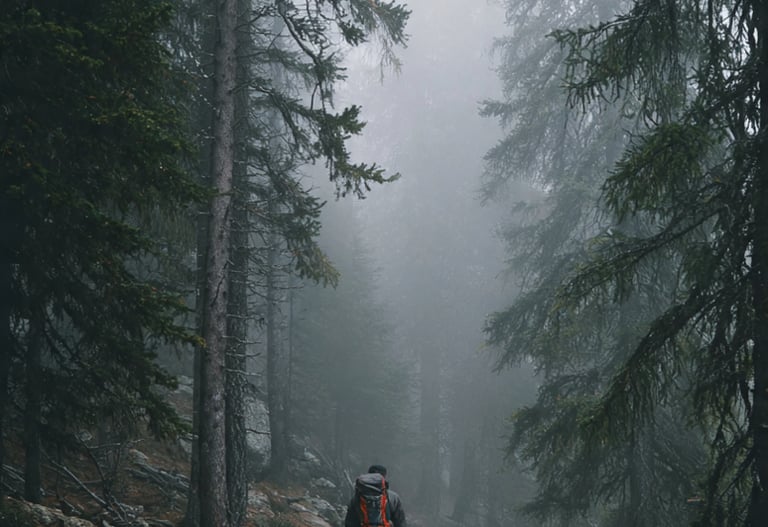
A hiker once shared her fear of reacting on top of a mountain without cell service. She packed multiple epinephrine pens, wipes, safe snacks, and her emergency plan. The first hike left her anxious, but preparation allowed her to safely complete it and enjoy the trail.
Preparation transforms fear into confidence, which is the key for allergy-aware hikers.
Best Food for Strenuous Hike
Planning meals for a challenging hike requires both nutrition and allergy safety. For long, strenuous hikes, your body burns more calories than a typical day, so selecting the best food for strenuous hike is essential.
1. High-Calorie, High-Protein Foods
Strenuous hiking demands fuel for energy and muscle repair:
Nuts and seeds (if safe)
Dehydrated beans and lentils
Protein bars you’ve tested at home
Trail mix without allergens
2. Balanced Macronutrients
Combine carbohydrates, proteins, and fats in each meal to maintain steady energy. Examples include:
Rice or quinoa bowls with dehydrated vegetables
Gluten-free pasta with safe sauce and protein
Oat-based breakfast mixes with dried fruits
Check your calorie and protein needs with Garmin Connect or Strava.
What Food to Pack for a 5 Day Hike
If you’re planning a multi-day adventure, knowing what food to pack for a 5 day hike is critical for safety and energy.
1. Plan Meals in Advance
Decide if you prefer:
Same meals every day (simpler and safer)
Rotating meals for variety
2. Use Pre-Made or DIY Meals
Brands like Nomad Nutrition offer allergy-friendly options. Alternatively, you can make your own:
Dehydrated soups and stews
Rice or quinoa bowls
Gluten-free pasta dishes
3. Pack Safe Snacks
Reliable trail snacks backpacking options:
Protein bars
Fruit leathers
Nuts and seeds (if not allergic)
DIY granola or energy bites
Avoid experimenting with new foods during the hike—stick to trusted favorites.
Multi-Day Hike Food Ideas
For multi day hike food ideas, the goal is safety, simplicity, and variety. Here’s a sample framework for allergy-aware hikers:
Meal Example:
Breakfast "Oat mix with dried fruits"
Lunch "Rice bowl with dehydrated vegetables and protein"
Dinner "Lentil stew with pasta or quinoa"
Snacks "rotein bars, fruit leather, trail mix'
Pro tip: Dehydrate extra vegetables or proteins at home to add flavor and nutrition to your meals. Learn how: Backpacking Meal Dehydration Guide
How to Fuel for a Hike
Understanding how to fuel for a hike is the key for performance and allergy management. Here’s the step-by-step approach:
1. Pre-Hike Fuel
Eat a balanced breakfast with complex carbs and protein. Example:
Oats with fruit
Rice cakes with nut butter (if safe)
2. Fuel During the Hike
Snack every 60–90 minutes using trail snacks backpacking options. Ensure easy-to-access packaging and avoid cross-contamination.
3. Post-Hike Recovery
Replenish glycogen and protein with:
Hydrated rice or pasta meals
Protein shakes or bars
Extra water and electrolytes
Through Hiking Food
If you’re preparing for a through hiking food plan (long-distance hiking over weeks or months), follow these tips:
Prepare pre-packaged meals and freeze-dried dishes ahead of time
Rotate 5–6 dinners to avoid monotony
Ship resupply boxes to key trail towns
Carry a laminated allergy card to explain dietary needs
Resources: Pacific Crest Trail Food Planning
Trail Snacks Backpacking
No matter the hike length, trail snacks backpacking are essential for energy and safety.
Top Choices:
Protein bars tested at home
Dried fruits (mango, blueberries, strawberries)
Nuts and seeds (allergy-safe)
DIY fruit leathers
Avoid unwrapped or unlabeled snacks from other hikers.
Packing Essentials for Allergy-Safe Hiking
Medical & Safety Essentials:
Fast-acting antihistamines
Inhalers if asthmatic
Allergy action plan card
Medical ID
Sanitation & Gear:
Hand wipes
Portable stove and cooking utensils
Bear-proof container like BearVault
Lightweight water filter: REI Guide
Emergency Plan: Responding to Allergic Reactions on the Trail
If symptoms appear (itching, throat tightness, coughing and stomach pain):
Use epinephrine immediately
Alert companions or nearby hikers
Call emergency services if available
Sit and stay calm
Use a second epinephrine dose if symptoms persist
Learn more: Anaphylaxis Emergency Guide
Real Hiker Story: Courage in the Face of Fear
One hiker described how her first mountain hike scared her due to allergy risks and distance from help. She packed epinephrine, wipes, snacks, and water. On her second hike, missing boots made her slip and slide—but her preparation helped her safely finish both hikes.
Lesson: Proper preparation doesn’t erase fear—but it gives the confidence to take that first step.
Final Thoughts: You Can Hike Safely with Food Allergies
Hiking with food allergies is entirely possible. Key principles:
Know your allergy risks
Pack trusted, safe food
Carry medications and an emergency plan
Stay mindful and hydrated
Trust your instincts
Explreroamer.com believe that with preparation, you can enjoy trails safely, fully, and confidently—because adventure shouldn’t be limited by allergies.



We’d love to hear from you!
Whether you have a question, suggestion, or want to collaborate — feel free to reach out.
info@exploreroamer.com
© 2025. All rights reserved.
Join Our Journey
Get travel tips and stories straight to your inbox