
Exploring the Impact of the First Global Communication and Tourism Summit
Exploring the Impact of the First Global Communication and Tourism Summit is reshaping travel storytelling, destination branding, and sustainable tourism for the modern traveler.
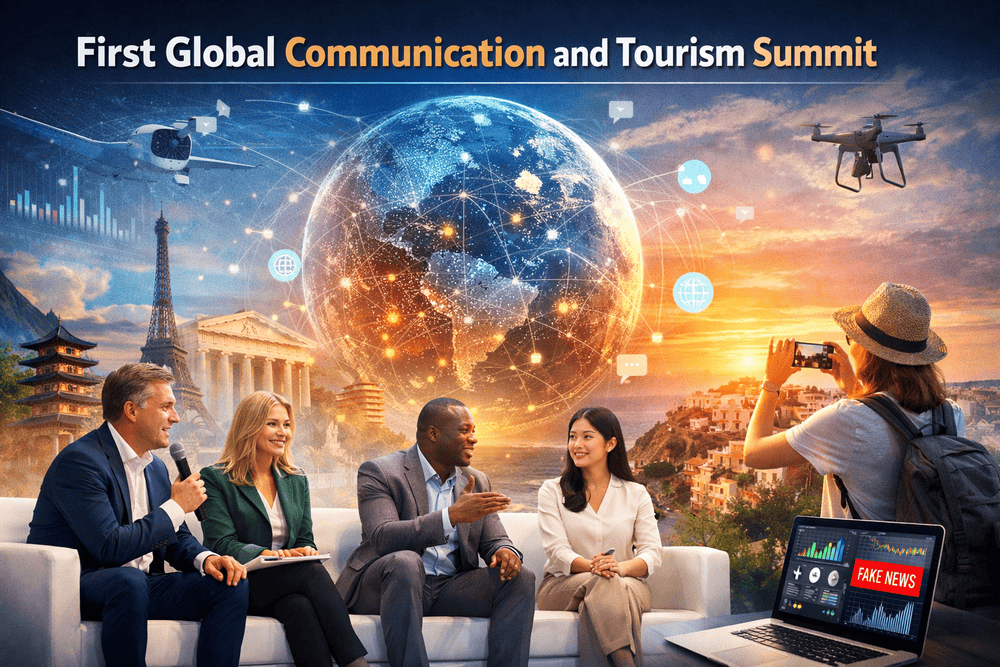
Exploring the Impact of the First Global Communication and Tourism Summit
The world of travel is changing fast. Travelers no longer choose destinations only because of beautiful photos or cheap deals. Today, people want authentic stories, trustworthy information, and a deeper human connection with the places they visit. This shift became crystal clear during the First Global Communication and Tourism Summit, a landmark event that brought together tourism leaders, media professionals, governments, and innovators under one roof.
Held in Madrid as part of FITUR, and organized by IFEMA MADRID and Agencia EFE, the summit marked a turning point. It showed the world that communication is no longer a support tool in tourism—it is the engine driving it.
In this article, we’ll explore why this summit matters, what it revealed about the future of tourism, and how travelers, destinations, and platforms like Exploreroamer can benefit from these insights.
Why the Global Communication and Tourism Summit Matters
Tourism has always been about movement. But today, it is equally about meaning. The summit was created to answer one big question:
How can destinations tell their stories honestly, responsibly, and powerfully in a noisy digital world?
According to UN Tourism, tourism is one of the world’s strongest economic drivers. However, it is also vulnerable to misinformation, over-tourism, and geopolitical uncertainty. That’s why leaders at the summit agreed on one thing:
👉 Strong communication builds trust, and trust builds sustainable tourism.
A Personal Moment That Says It All
During one panel, a speaker shared a simple story. A small coastal town saw its tourism numbers collapse after viral images falsely claimed sharks were spotted near its beaches. Later, experts confirmed the images were fake and the fish were harmless. But the damage was already done.
This anecdote perfectly showed how fragile destination reputation can be and why ethical tourism communication is no longer optional.
The Role of Communication in Modern Tourism
From Advertising to Storytelling
In the past, tourism promotion focused on glossy brochures and catchy slogans. Now, travelers demand real stories, local voices, and transparent messaging.
That’s why the summit emphasized:
Destination branding
Country image management
Crisis communication
Digital storytelling
As explained by experts from Dircom, people don’t just buy trips—they buy emotions.
Tourism in Times of Uncertainty
One of the most impactful sessions focused on tourism communication during global uncertainty. With rising conflicts, climate concerns, and economic pressure, tourism must adapt.
Leaders like José Vicente de los Mozos and Miguel Ángel Oliver highlighted that tourism should sit at the center of economic policy, not on the sidelines.
Key Takeaways
Training tourism professionals improves credibility
Consistent messaging protects country brands
Trust-based communication encourages long-term travel confidence
Countries like Cabo Verde shared how they are investing in professional training to prepare for global events like the FIFA World Cup.
Living From Tourism vs. Surviving Tourism
Another powerful discussion tackled the rising issue of tourism-phobia—tensions between visitors and local communities.
Experts stressed that:
Tourism should benefit locals first
Listening to residents reduces conflict
Communication must change tone and approach
As María de Lurdes Vale from Turismo de Portugal put it:
“Tourism-phobia is not about tourism. It’s about people.”
This human-centered approach aligns perfectly with platforms like www.exploreroamer.com, which promote responsible travel, local experiences, and ethical tourism choices.
The Fight Against Misinformation
Misinformation was one of the summit’s biggest concerns.
Journalists from EFE Verifica presented shocking examples of:
Fake destinations
Manipulated images
Travel scams
Meanwhile, Lonely Planet reinforced the value of fact-checking, something they’ve practiced for over 50 years.
Why This Matters to Travelers
Because reliable platforms help you:
Avoid scams
Set realistic expectations
Travel with confidence
This is where trusted travel resources like Exploreroamer travel guides stand out—by prioritizing accuracy, clarity, and real-world value.
Technology, AI, and the Future of Tourism Communication
The summit also showcased how artificial intelligence, data analytics, and digital platforms are reshaping tourism promotion.
Smart Communication Tools
AI-driven traveler insights
Data-backed marketing campaigns
Personalized travel recommendations
When technology meets storytelling, destinations can:
✔ Reach the right audience
✔ Reduce over-tourism
✔ Improve visitor satisfaction
Step-by-Step: How Destinations Can Apply These Insights
Here’s a simple step-by-step guide inspired by summit discussions:
Step 1: Understand Your Story
Identify what makes your destination unique—culture, people, heritage.
Step 2: Listen to Locals
Include residents in tourism planning and messaging.
Step 3: Choose the Right Channels
Use social media, journalism, and digital platforms responsibly.
Step 4: Verify Everything
Fight misinformation with facts and transparency.
Step 5: Focus on Emotion
People remember how a destination made them feel, not just what they saw.
Why This Matters for Travelers Like You
Modern travelers want:
Authentic experiences
Cultural respect
Reliable information
Platforms like exploreroamer are built around these principles, offering:
Trusted travel tips
Destination insights
Responsible tourism guidance
When communication improves, travelers make better decisions—and enjoy better journeys.
Tourism as a Source of Hope
In the closing address, Natalia Bayona from UN Tourism delivered a powerful message:
“Tourism must be more human. It must generate hope.”
Despite global challenges, tourism continues to grow. But its future depends on values, honesty, and storytelling.
A New Era Begins
The First Global Communication and Tourism Summit was more than a conference. It was a statement.
It confirmed that:
Communication drives tourism
Stories shape destinations
Trust builds travel confidence
As travelers, businesses, and platforms like Exploreroamer, we all benefit from this shift toward ethical, human, and transparent tourism communication.
The next time you plan a journey, remember:
🌍 It’s not just about where you go—it’s about the story you choose to believe.
And with the right tools, insights, and platforms, you can travel smarter, deeper, and with confidence.
We’d love to hear from you!
Whether you have a question, suggestion, or want to collaborate — feel free to reach out.
info@exploreroamer.com
© 2025. All rights reserved.
Join Our Journey
Get travel tips and stories straight to your inbox